The Fridge Hums in B-Flat: How La Mama's Sound Team Turned Everyday Noise Into Math Anxiety
Most movies signal panic with strings. La Mama signals it with a refrigerator.
In the film's most talked-about kitchen scene, a mother and daughter sit over a worksheet that might as well be a minefield. The room is so quiet you can hear the compressor kick on. That hum becomes a third character, a low, indifferent presence under every wrong answer. There is no score, no shouting, and roughly a dozen words. It is also the scene that festival audiences in 2026 keep bringing up, usually with some version of, 'I couldn't breathe.'
To find out how that quiet got so loud, I spoke with foley artists Marisol Vega and Denny Okafor and re-recording mixer Priya Raman. What they described was not a typical sound pass. It was closer to building an emotional equation out of the stuff nobody notices until it disappears.
Start With the Room, Not the Score
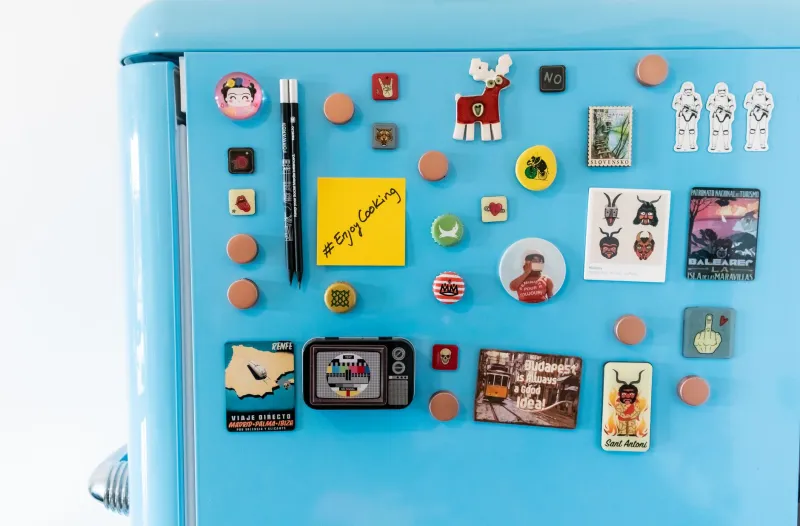
Raman's first pass on the scene had music. 'It was lovely and completely wrong,' she says. 'Score tells you what to feel. We wanted the audience to feel stuck inside the problem with her.' So the team stripped the scene down to production sound and rebuilt it from room tone up. They auditioned refrigerators the way casting directors audition actors. Vega recorded eleven units in appliance showrooms, rental kitchens, and one very patient neighbor's garage in Queens. 'We needed a fridge that sighed,' she says. 'Not a dramatic groan. A tired, everyday sigh. The kind you stop hearing until it stops.'
That search matters because the hum is not constant. It cycles. It clicks off at the worst possible moment, leaving a vacuum the audience fills with their own dread. 'The fridge is the mother's anxiety,' Raman says. 'It's always running in the background, even when she's trying to be calm.'
The Pencil Is a Percussion Instrument
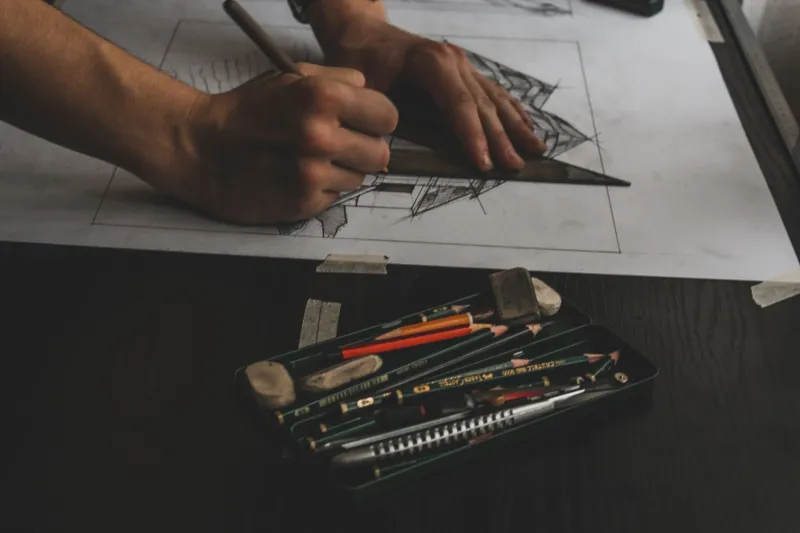
Okafor treats pencils like drumsticks. For the homework scene, he recorded separate passes for the mother's pencil and the daughter's. 'A pencil scratch is not one sound,' he says. 'It is graphite, paper fiber, pressure, and speed.' The mother's scratches are fast, controlled, and slightly too hard. The daughter's are uneven. They stop. They start again. 'You can hear the moment she gives up,' Okafor says. 'The pencil doesn't lift. It just slows down.'
The team also captured eraser crumbs, a sharpener grind, and the soft thump of a palm against a table. 'The sharpener is a countdown clock,' Okafor says. 'Every turn takes something away.' In the mix, that grind sits just under the dialogue, never loud enough to call attention to itself but always there, chewing through the silence.
Silence Is a Special Effect
Raman's mix uses silence as a physical presence. In the scene, the daughter's whisper, 'I don't know,' was recorded close to the actor's mouth with almost no reverb. 'It's not a whisper meant to be heard across a room,' Raman says. 'It's a whisper meant to be overheard.' Just before it, the team mutes the fridge, the clock, and the room tone for two and a half seconds. 'That absence is the loudest thing in the movie,' she says. 'You lean in. You hold your breath because she is.'
The held breath itself came from production: a tiny catch in the actor's throat before the whisper. The team isolated it and kept it. 'We tried replacing it with a cleaner take,' Raman says. 'It felt like a sound effect. The original felt like a person.' That is the balance the whole movie walks. The sound design never announces itself as a trick. It just applies pressure.
The Anxiety Equation
To keep the mix from tipping into horror, Raman built what the team called an anxiety curve, a rough equation of silence, duration, high-frequency texture, and low-end comfort. 'Too much hum and it's a thriller,' she says. 'Too little and it's a homework documentary.' They tested versions with small festival audiences, watching when people reached for tissues and when they laughed. The final mix has a rule: no more than four layers of everyday noise at once. 'Math anxiety is not one loud thing,' Vega says. 'It's a hundred small sounds you can't turn off.'
That restraint is why the scene plays. The audience is not told that the mother is scared of failing her daughter. They hear it in the fridge that will not stop, the pencil that will not slow down, the clock that keeps ticking toward bedtime. 'We were not trying to make math scary,' Okafor says. 'We were trying to make the unspoken audible.'
What You Hear After
Since the film began screening this fall, viewers have reported hearing their own kitchens differently. 'Someone told me they noticed their fridge humming during homework and thought of the movie,' Okafor says. 'That's the whole job.' Raman hopes the sound design does something simpler. 'The daughter can't say she's scared. The mother can't say she's sorry. But the room says it for them.'
La Mama is not a horror film about math. It is a mother-daughter story about fear, pride, and the space between a question and an answer. The sound team just turned up the volume on what was already there.